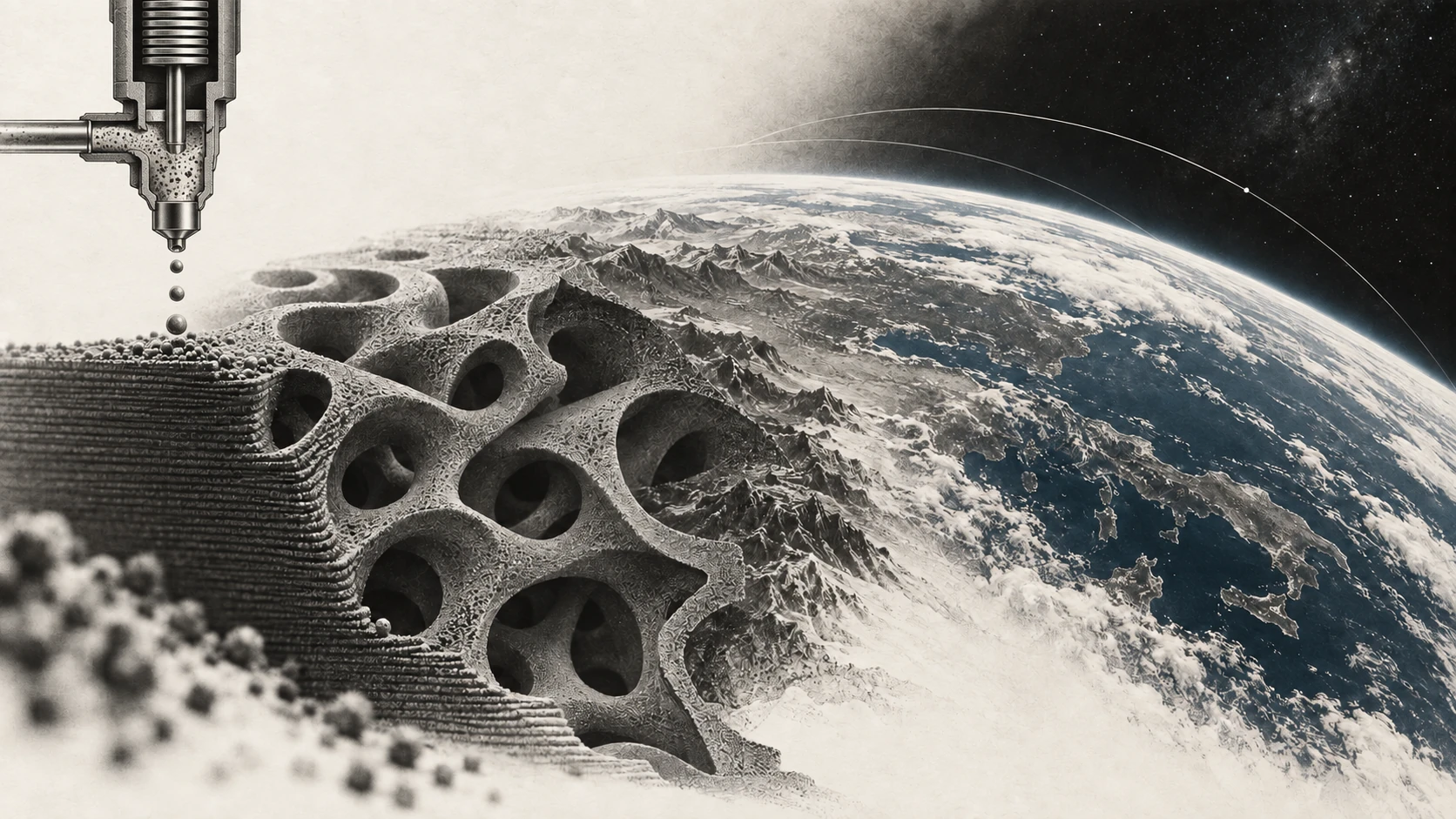
There had to be more
I remember a meeting in which we found ourselves philosophising about the creep behaviour of plastics.
Our technical discussions could go very deep. They could also go round in circles.
Our first project was Digital Glaze. Revolutionary, and ahead of its time. That is a story of its own.
By 2017, our Rockjet nozzle had reached an important milestone: depositing glaze on ceramic tiles under industrial test conditions. At the back of my mind was the feeling that there had to be more we could do with this technology. Tiles alone felt like too narrow a future for it.
Looking again at the material for our second supervisory-board meeting in 2017, I found that possibility already there: applications beyond our existing ceramics business. It had been on my mind for longer than I remembered.
The spark came from Stefan Waldner. In spring 2018, he developed the idea through his thesis at MCI: we had learned to print on ceramics. Could we use that knowledge to make the ceramic object itself?
TITAN was born. I was immediately fired up.
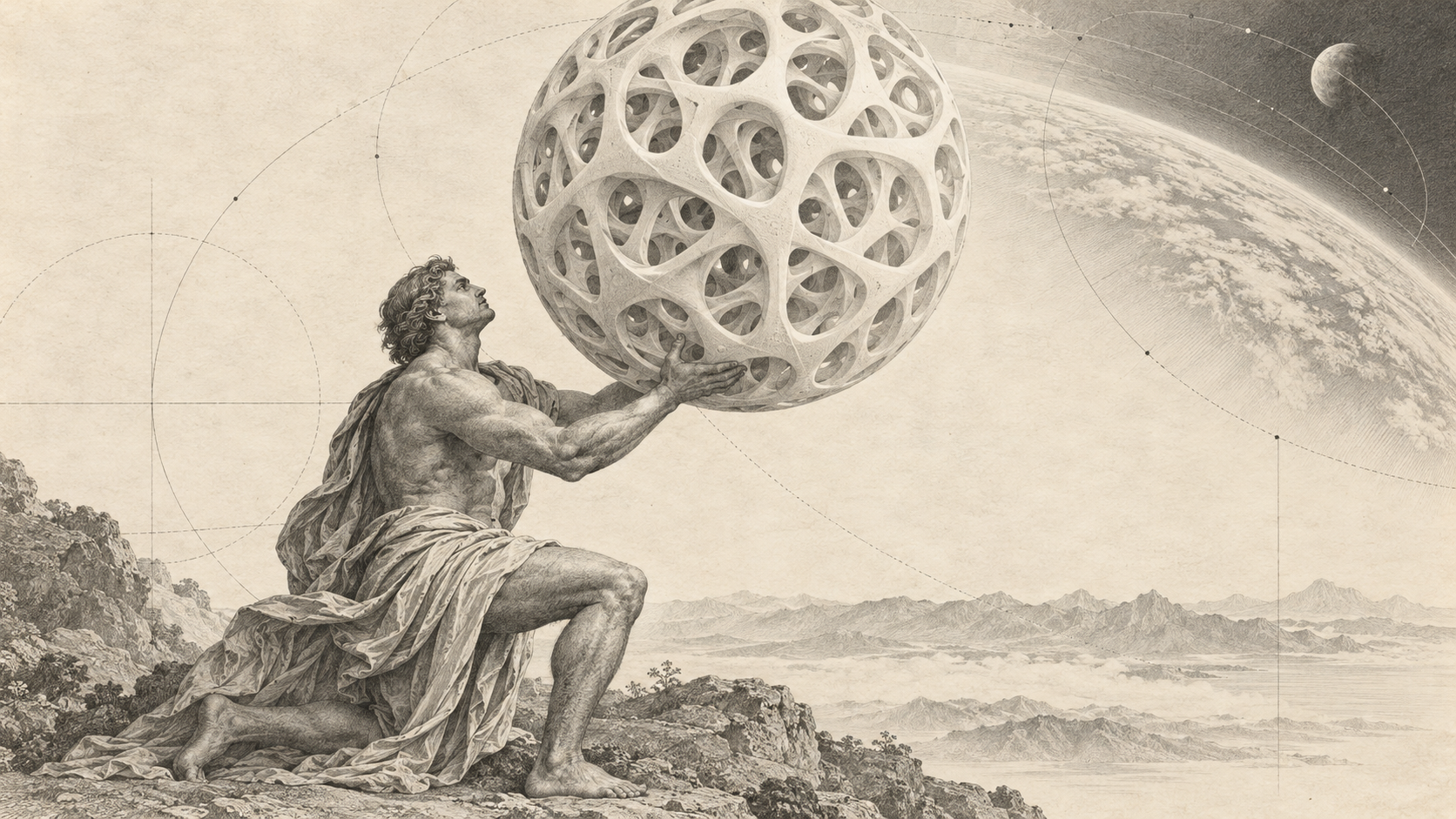
Conceptual illustration
From TITAN to four seats
Market research in 2019 gave us encouraging indications. In 2020, Stefan and Oliver Ungerer, both from our ceramics R&D team, began testing what the printhead could actually do, and whether the idea was feasible.
We founded D3-AM in September 2021. Without Stefan and me, none of this would exist.
Stefan led the technology and the team. I helped steer, made resources available and tried to help wherever I could, with a healthy dose of push and pressure.
Harald Oberrauch completed the trio. He invested and brought valuable input of his own.
Stefan wanted people to own their fields. A small team, each person responsible for making their part work and understanding what it meant for everybody else.
That is how Stefan turns things upside down. He challenges an assumption, then gets very practical about the consequences: the head, the material, the machine, the next experiment.
One of his emails from September 2021 is wonderfully direct. We could not yet produce parts, he explained, but we needed to understand what customers would require: precision, size, hardness, cooling channels, heating channels.
The applications were already shaping the questions before we had the answers.
In 2022, dedicated development began in earnest. It was time to turn those early trials into a system.
Four seats.
In October 2023, a few weeks before Formnext, Stefan reminded me that there would be room for four people at the table on our stand. The machine was still in assembly. The stickers were missing.
I had told him I wanted to come. People across Durst wanted to be there for this small new thing we were building, and Stefan was managing expectations about the size of the stand.
Then he wrote: “Du musst kommen, gehörst zum Team.” You have to come. You are part of the team.
That sentence belongs in the history of D3-AM. So do the four seats.
“Du musst kommen,
gehörst zum Team.”Stefan Waldner · October 2023
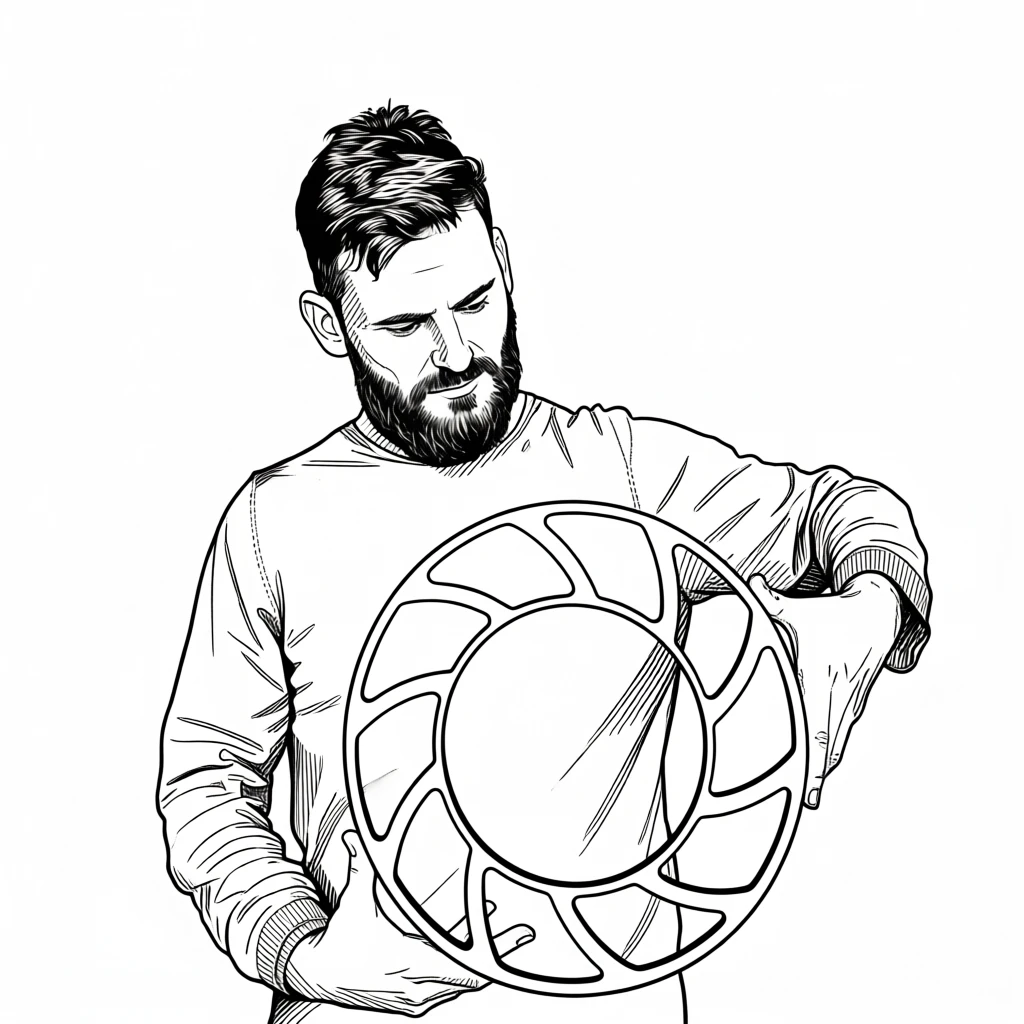
The idea · Technology & team
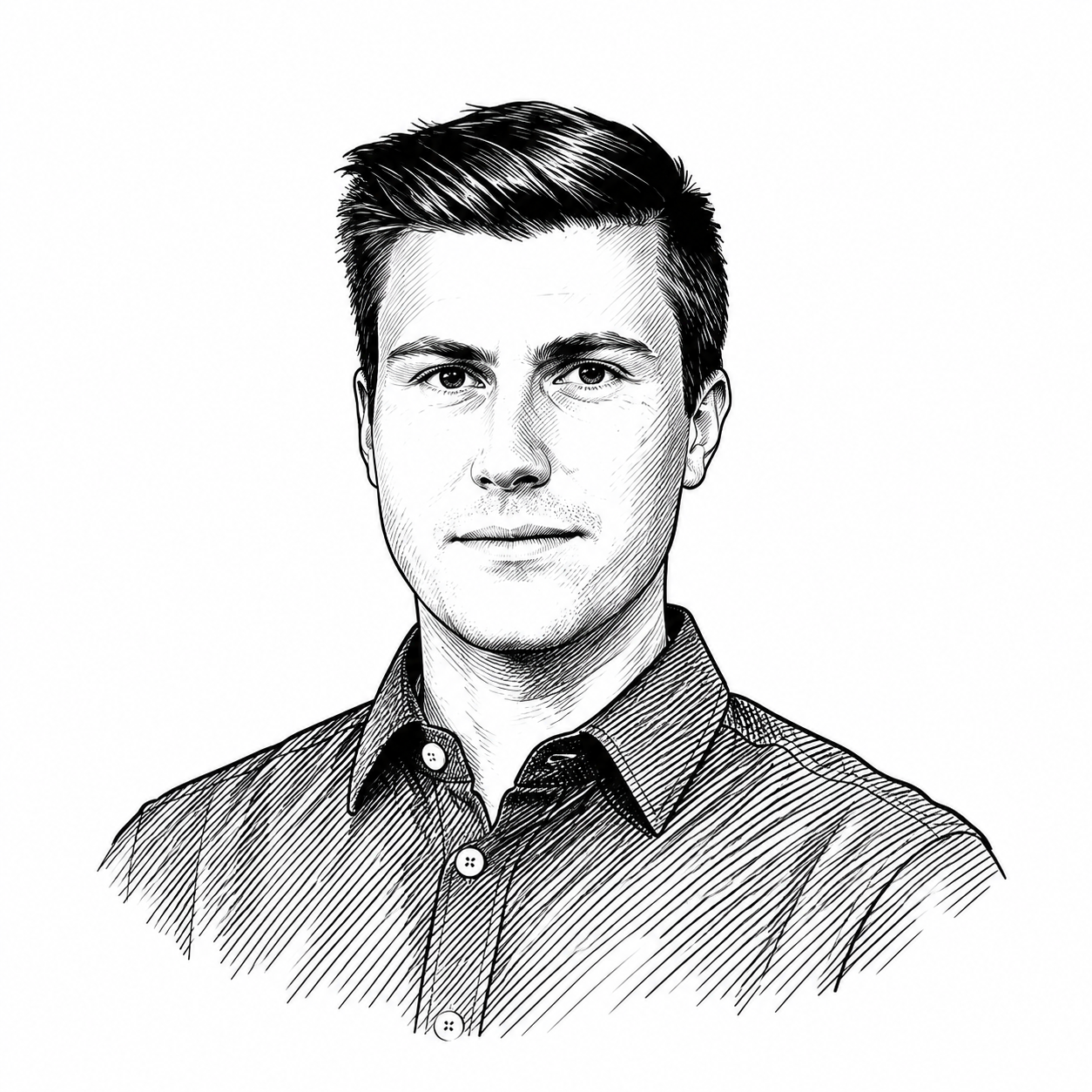
Ceramics R&D · The first trials
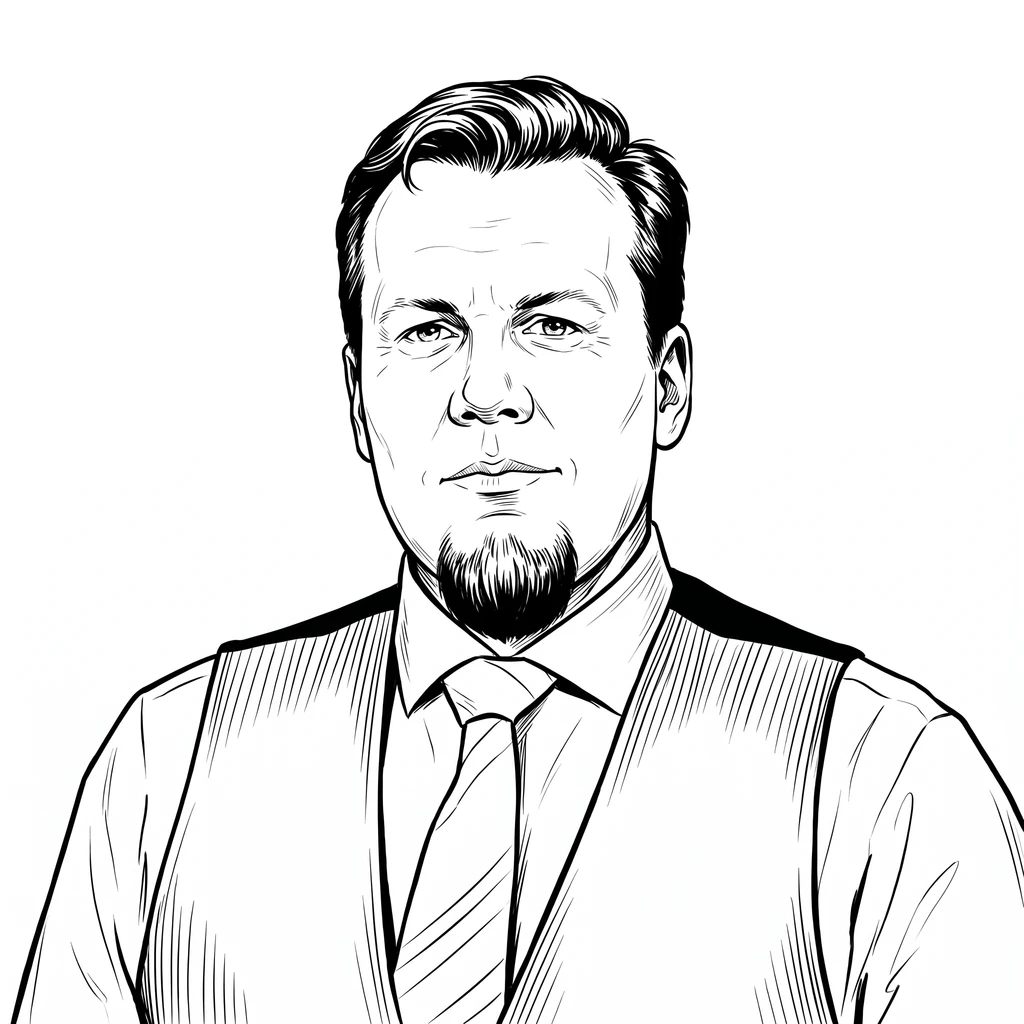
Stefan: Durst Group / Durst90 · Oliver: AI-assisted illustration from his profile photograph
Giving a difficult material a new shape
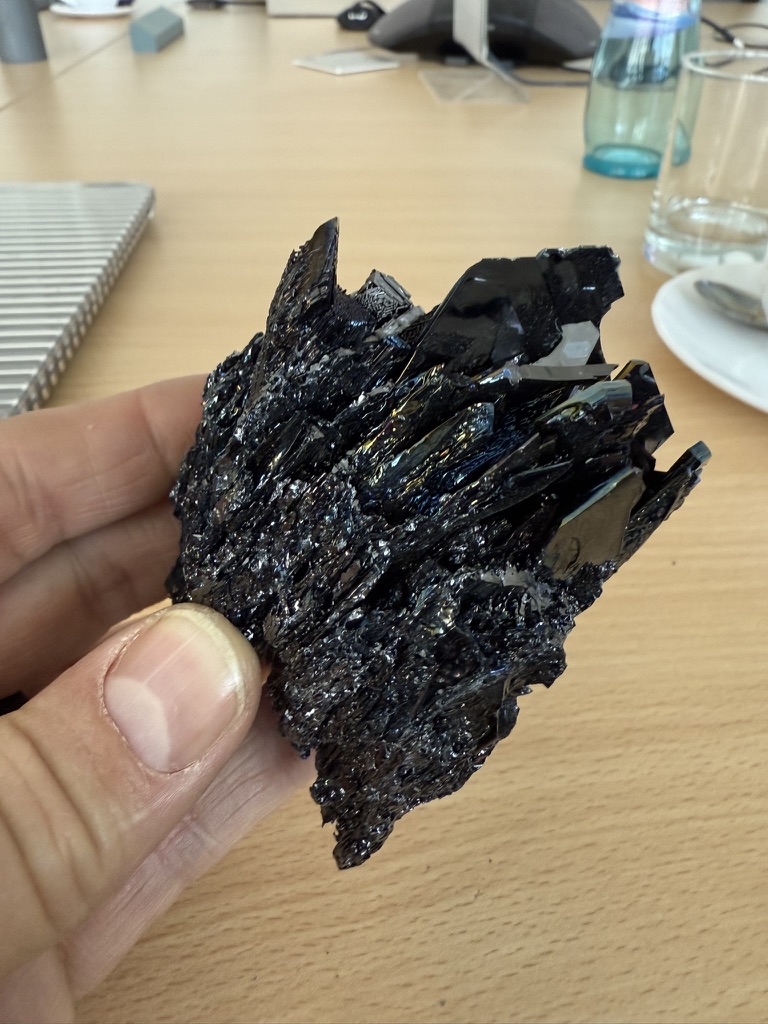
A silicon carbide crystal · From my own photographs
I called this piece of silicon carbide “Kryptonite”. Look at those dark, jagged crystals and you may understand why.
Technical ceramics are extraordinary materials to work with. Aluminium oxide can provide electrical insulation and resistance to wear. Silicon carbide combines low weight and stiffness with hardness, thermal conductivity and resistance to demanding chemical environments.
Those properties make them interesting wherever heat, abrasion or corrosion put a component under pressure. They also make the finished material difficult to machine.
D3-AM’s Micro Particle Jetting technology builds a part by depositing highly filled, water-based suspensions through a specially developed printhead. Layer by layer, the geometry takes shape before the subsequent processing and sintering that give the ceramic its final properties.
At Formnext 2023, we presented the LABII and this approach to the public. Among the possibilities were complex parts in sintered silicon carbide, SSiC, a material that gives engineers plenty of reasons to persevere through the difficulty of making it.
Simulation and optimisation help a designer put a cooling channel where it needs to be, or open a different flow path through a lattice. We can build those features before the ceramic becomes so hard to machine.
The aim after printing is a near-shape green body: the geometry is already there, but the ceramic is still unfired. For alumina and SSiC, the printed dimensions must allow for the shrinkage that follows during sintering. Finishing may still be needed to meet the required tolerances and surface quality.
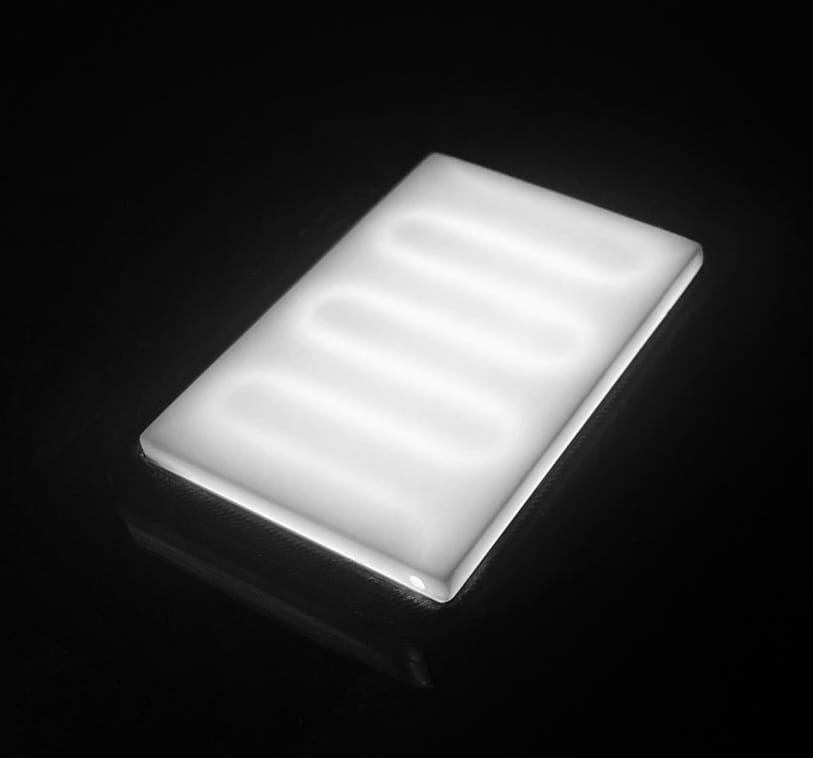
Aluminium oxide · Original photo: D3-AM
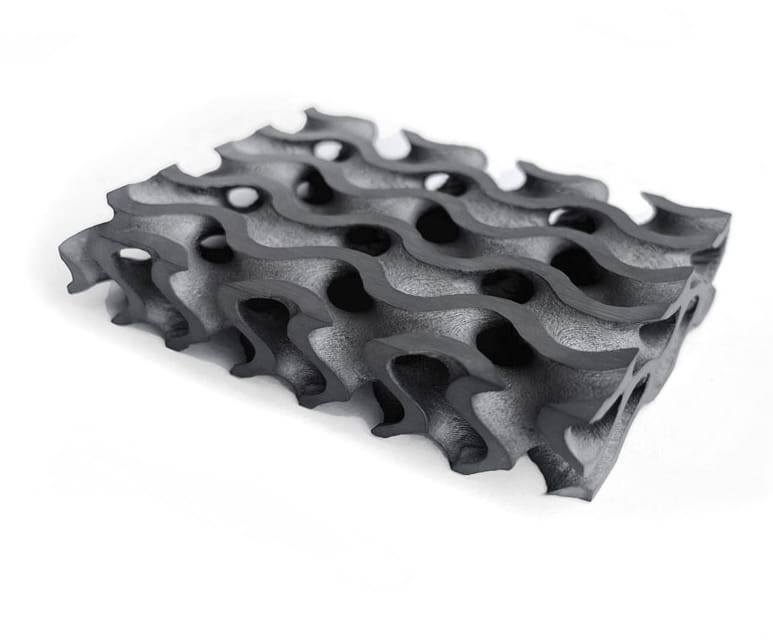
SSiC gyroid · Original photo: D3-AM
Micro Particle Jetting · The sintering route
From suspension to ceramic component.
Suspension
Highly filled, water-based ceramic feedstock.
MPJ printing
Layer-by-layer deposition with controlled drying.
Near-shape
green bodyPrinted geometry, still unfired. Dimensions allow for later sintering shrinkage.
Sintering
A material-specific firing cycle bonds the particles and densifies the ceramic body. The part shrinks.
Finishing
& verificationMachine critical surfaces where needed; check dimensions, properties and performance.
The knowledge between the machines
A suspension behaves differently. A droplet lands differently. A part changes shape in the furnace, and someone understands a little more about why.
Material preparation, deposition, drying, sintering and measurement affect one another. The team is learning how a change in one step travels through the others.
You see the finished part. You do not see all the decisions that made it possible.
Stefan and the D3-AM engineers have carried that work forward. NUWAM brings another extraordinary concentration of experience to it.
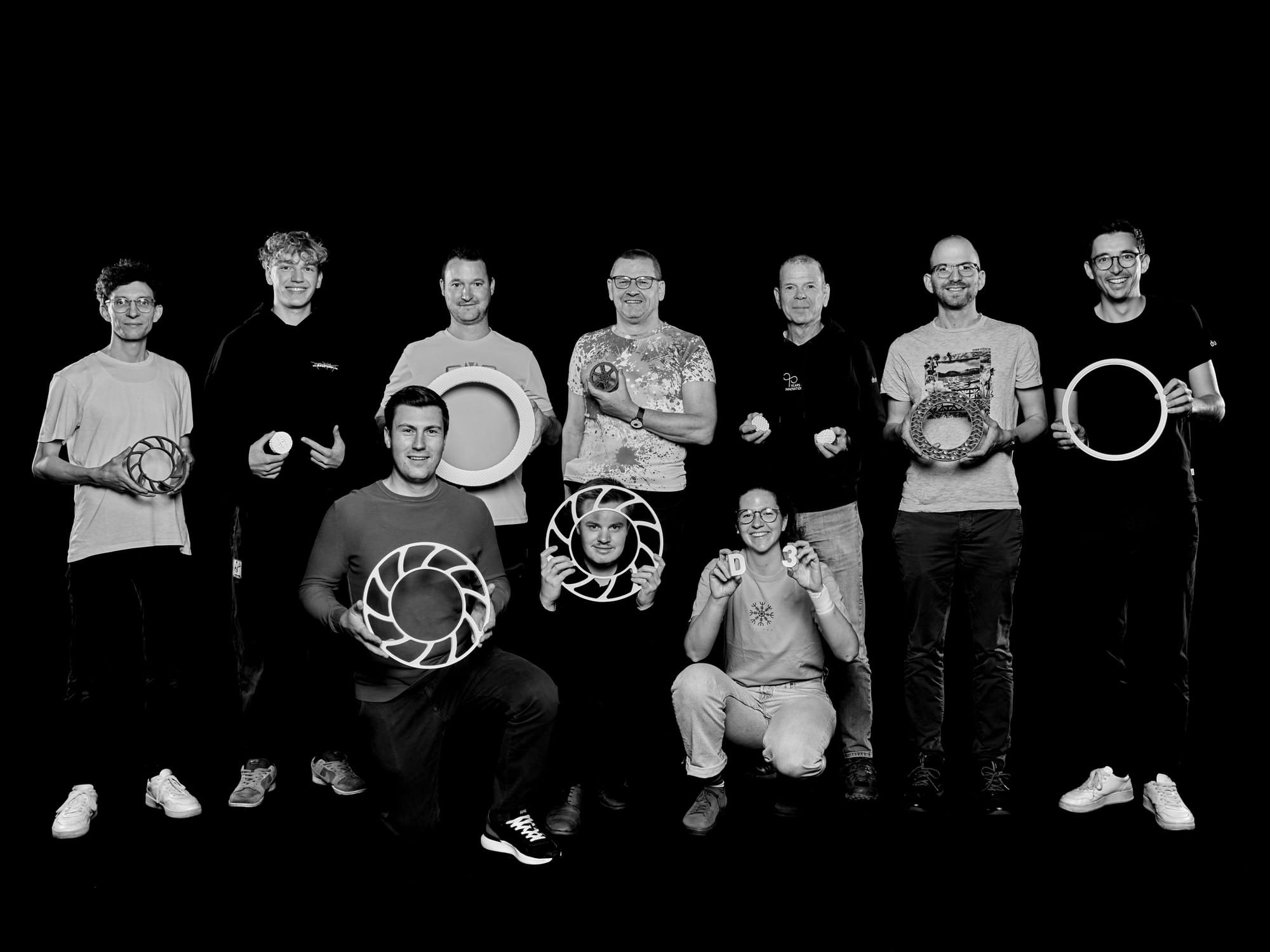
Original photograph: D3-AM
Radeberg. More people around the table.
NUWAM · Ceramics & applications
Uwe entered this story later, at a meeting in Dresden.
Dr Uwe Scheithauer brings roughly two decades of work at Fraunhofer IKTS and deep experience in additive manufacturing of ceramics. He understands both the promise of a material and the work required to turn a laboratory result into an industrial process.
With NUWAM, founded in 2025, that experience gains a new place to become useful. Uwe and his co-founders looked closely at what D3-AM had built, and decided to build a company on it.
D3-AM develops the printing technology and systems. NUWAM puts them to work: developing and manufacturing ceramic components, and working through the demands of real applications and production.
Uwe and fellow co-founder Dr Christian Schulz have complementary jobs to do. Christian leads the company, while Uwe brings the depth of ceramic research and the connections needed to carry it into practice.
Around them, Sebastian Tischer works on the process and the path towards repeatable production. Anika Lorenz connects the technology with customers and business development. Karl Kretschmer helped put the foundations of the company in place.
And there are the students and younger colleagues, already contributing their questions and their work. The combination matters: experienced people who know where a problem may be hiding, and people who have not yet learned which questions they are supposed to avoid.
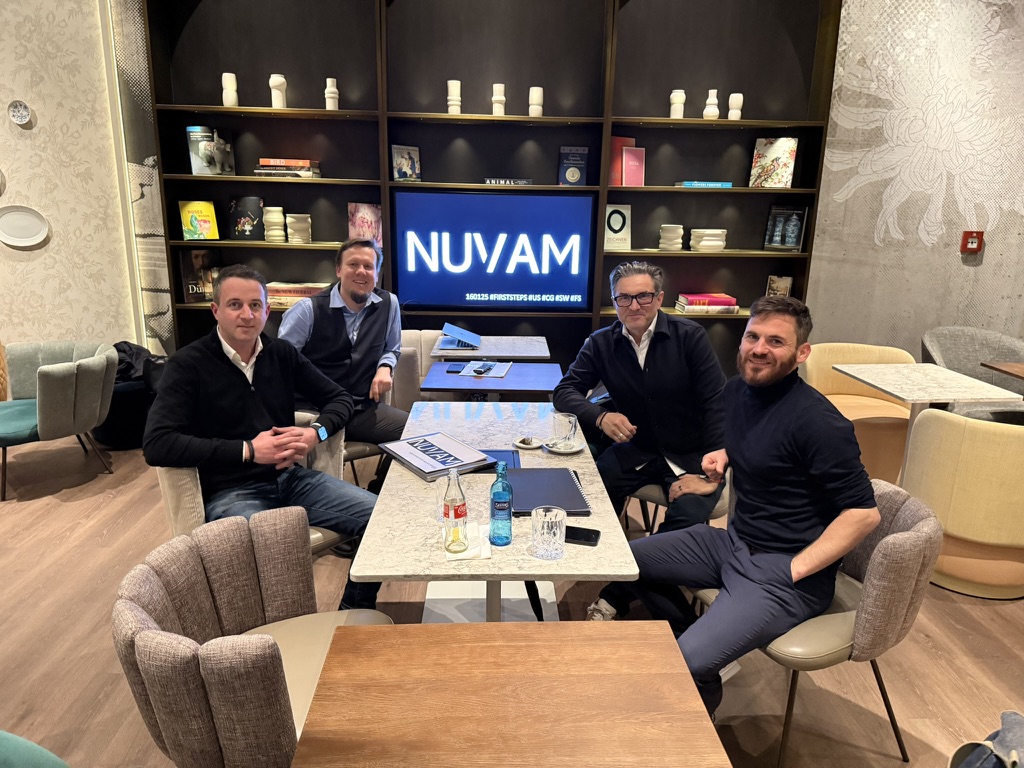
From my own photographs
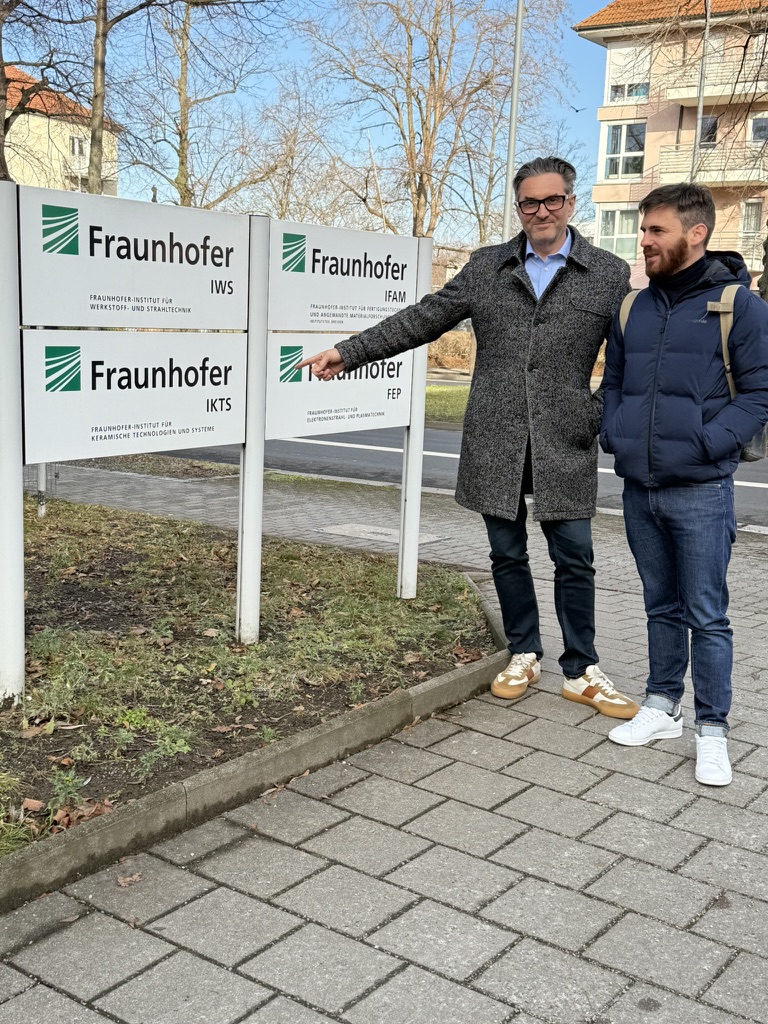
Dresden · From my own photographs
On 4 May 2026, we opened NUWAM’s production facility in Radeberg. The following day, I wrote that we had laid a solid cornerstone for “earth2orbit”.
Yes, 4 May. The Star Wars reference was difficult to resist.
What stays with me is the team photograph from that day: people standing together in front of a machine, smiling. A company beginning to take physical shape.
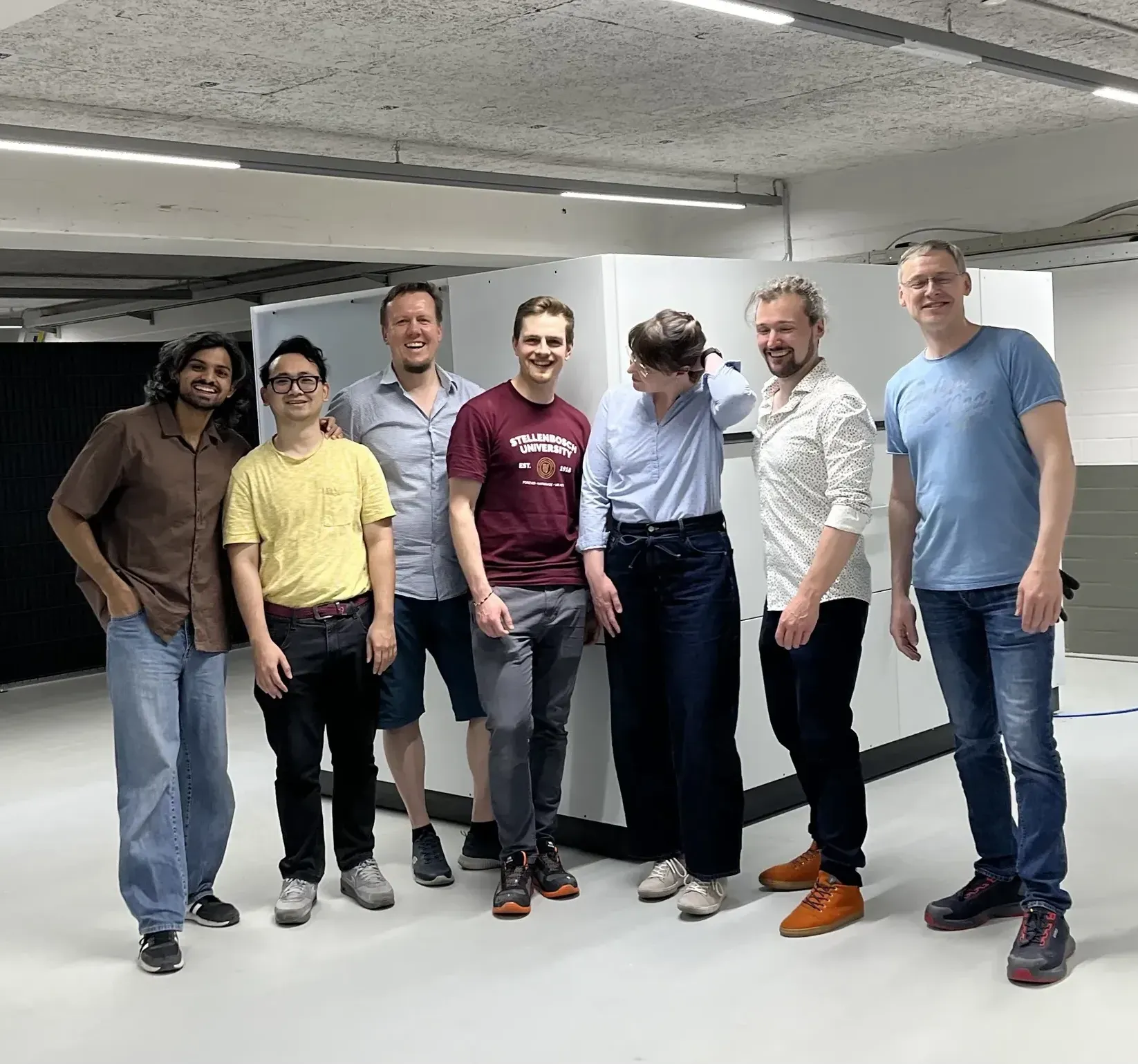
Original photograph supplied by Stefan Waldner · NUWAM company archive
When the wall becomes part of the cooling system
In 2026, CoolCerAM was named a winner in the industry category of the German Space Agency at DLR Challenge, part of INNOspace Masters. A success for the team and its partners, and an encouraging sign of where this work can take us.
Its focus is additively manufactured high-performance ceramics with deliberately graded porosity for transpiration cooling. In plain language, coolant passes through a carefully controlled porous wall, taking up heat and helping protect the surface exposed to the hot gas.
Here, the structure inside the material becomes part of what the component does. That is a compelling direction for additive manufacturing, especially in the severe thermal conditions associated with rocket propulsion.
It takes a broad team to investigate it properly. NUWAM and D3-AM are part of a consortium with kerAMisch, ESK-SIC, TU Chemnitz, TU Dresden, Fraunhofer IKTS and STEREON Materials. Uwe and Dr Christian Bach of TU Dresden are named in the competition’s presentation of the project.
The planned work spans the chain from powder and manufacturing through post-processing and testing. For me, this success makes the direction tangible: the knowledge we have built around materials and precise deposition is opening a path into space applications.
Testing and qualification still stand between this research and flight hardware. That is the work ahead.
A direction to pursue
Built here.
Looking up.
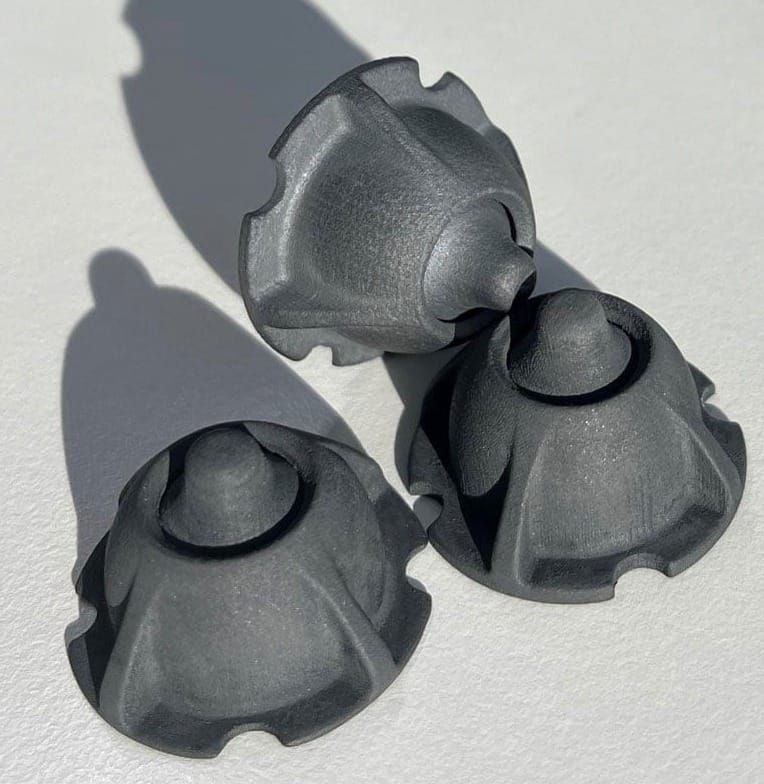
SiSiC aerospike demonstrators show how complex ceramic geometries can take physical shape. CoolCerAM carries the research towards the demands of space applications.
Explore the CoolCerAM project ↗From Earth to Orbit
CoolCerAM is one part of a much wider story. There are many more projects and customers, with applications we cannot all name or describe here yet. More of that work will become public, step by step.
The next chapter begins with useful parts on Earth: components for demanding industrial processes, thermal management and applications where conventional ways of making a ceramic part constrain its design.
Can we make the next part with the same properties, explain the variation, document the process and give a customer confidence in the result?
What we learn for space can also improve what we make for customers here on Earth.
At Durst’s 90th-anniversary event, “Earth to Orbit” was already the title of a panel bringing these worlds together. I like the ambition in those words, and I like the practical work they ask of us.
We have exceptional people in Brixen, Radeberg and across our research partners. Giving them the time, tools and trust to build together is one of the most worthwhile things we can do.
I think back to Stefan’s email, the unfinished machine and the table with four seats. The circle has grown. So has what we can imagine making.
The journey is far from over. There is still so much I want us to build.
From Earth to Orbit. Drop by drop.
Christoph